We all have them. The images that we can never unsee. The quote, song lyric, or perhaps poem that we never forget. That friend, colleague, or chance interaction that had a profound impact on us. Having spent my life immersed in data, I guess that it makes sense that I also have a list of ten numbers or statistics that shook my professional world. I discuss those numbers in today’s “very special” blog post. That is, it’s way too long, but like Netflix, I give you the option to binge this as a naughty summer reading treat or to break up the 10 self-contained “episodes” on your own.
Category Archives: Education Reform
American Education: A Tangled Can of Monkeys

Try as I might, my mind just won’t let go of the story about the school year for Pawtucket, Rhode Island elementary school students being extended because it was discovered that the school day has been 5 minutes too short. From beginning to end, from regulation to problem to solution to acceptance, the issue in Pawtucket, is a microcosm of the complexities that are going to make it so difficult to reform public education in the United States.
Culture > Curriculum > Courses

As I leaf through excited posts and articles about how AI is going to help assess durable skills and bring to life the freshly painted portraits of high school graduates, I start to get an uneasy feeling in the pit of my stomach and a tightness in my chest. My fear is that once again we’re going to do this backwards, that is by beginning with assessment. It’s critical, particularly with these the types of skills that are being discussed today that we remember to consider curriculum before assessment and more importantly, culture before curriculum.
Frankenstein’s Graduate

In releasing the interim report outlining its new graduation Framework, Massachusetts boasts, “no other state will have implemented such a comprehensive approach to setting such high standards in education…”
My response, as the kids say, Sick brag, bro.
I’m not exactly sure where having “such high standards” compared to other states fits in the validity argument. I would be much more impressed by claims and evidence of having carefully identified the right graduation standards for the future and having a solid implementation plan for achieving those standards.
Regression To The Mean
Growth seemed to be a hot topic this month, so I set out to write a blog post about student growth and how it should be (and shouldn’t be) used in school accountability systems. Then I read the Senate HELP committee’s RFI. When my blood pressure returned close to normal, my topic had changed. I had expected and can even accept the “school choice” vibes that ran through the RFI. What I cannot stomach, however, is the return to misplaced blame and outright meanness that helped derail the last 25 years of Education Reform.
Dancing With Stars

Starbucks seems really focused on selling me coffee, iced tea, cake pops, etc.; that is, the Starbucks experience. Can we commit to being that same level of focused, creative, and yes, relentless in figuring out ways to sell the school experience to students.
Looking In The Wrong Place

The world and the daily experiences of students have changed immeasurably since the CCSS were adopted in the early 2010s. Yet, our state tests continue for the most part to measure the same things in the same way. Incremental improvements focused primarily on increasing efficiency. We have to acknowledge that perhaps priorities have changed, and that we might be looking for answers in the wrong place.
Without The Will There Is No Way
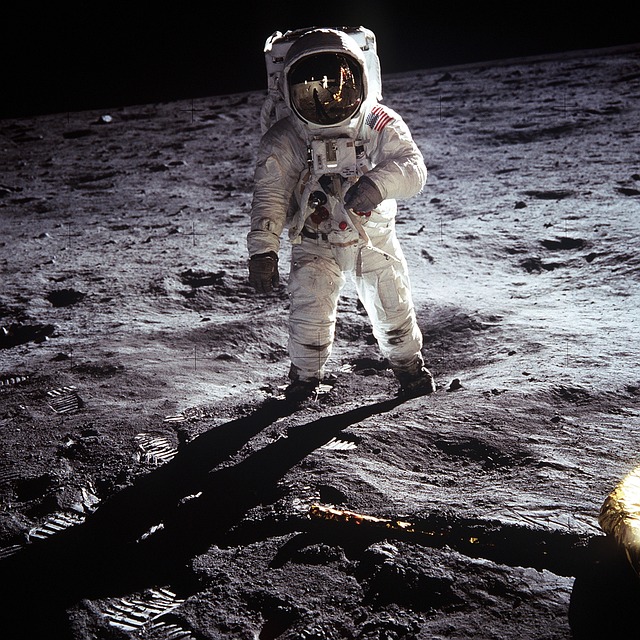
Celebrating the anniversary of Apollo 11, I wondered why JFK’s “we choose to go to the moon” speech is still widely quoted after 60 years while the 2010 “Beyond The Bubble Tests” call to arms was already described as Arne Duncan’s “now-forgotten speech” as early as 2017 and attempts to access it today yield the dreaded “Page Not Found – 404” message. What are we missing?
Everything Looks Worse in Black and White

There’s a lot to reflect on as we reach the midpoint of 2025, but one story that’s stuck in my craw is the performance of Black and White students on the 2024 NAEP tests. Not the achievement gap per se, we are all too well aware of that, but rather the lack of overlap between the two groups. I’m not sure what to make of that.
Innovative or In Over Our Heads

Why is innovating in educational assessment so difficult? Is there an invisible string, a common thread, connecting the chain of so-called innovations that have either never produced fruit, died on the vine, or failed to even sprout?

